

Reconfiguring a commercial or industrial space for a new tenant or operational use involves more than just moving walls and updating finishes. Electrical planning is a critical part of any buildout project, directly impacting safety, code compliance, and long-term functionality. For business owners, property managers, and project coordinators in the Wilsonville area, clarifying electrical needs before construction begins helps avoid costly delays and ensures the finished space supports intended operations from day one.
Understanding the Scope of Your Space Reconfiguration
Every buildout starts with a clear understanding of how the space will be used. Will the new tenant require open work areas, private offices, specialized production zones, or a combination of these? Each layout choice affects electrical requirements, from the number and placement of outlets to the need for dedicated circuits for equipment. Early in planning, map out the intended use of each area and consider how people and equipment will interact with the electrical infrastructure.
Assessing Existing Electrical Capacity and Service Panels
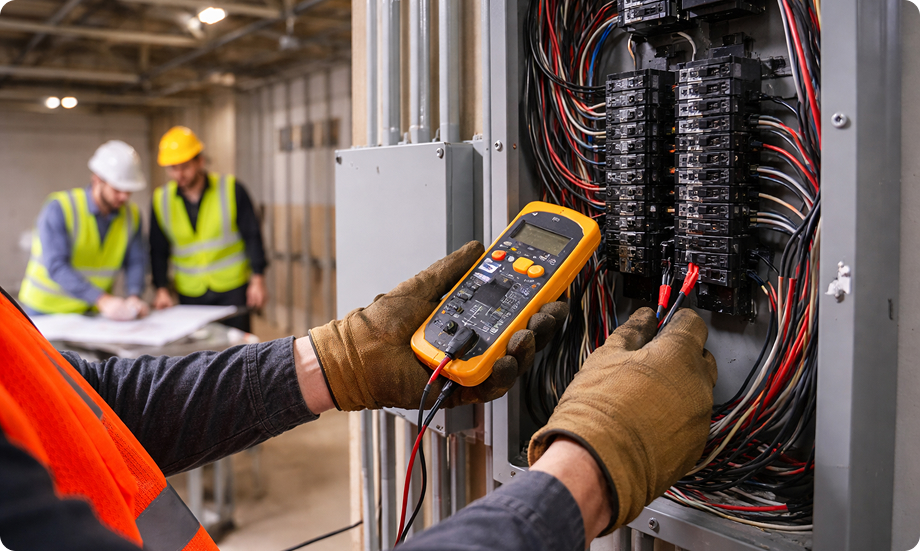
Before any new wiring or equipment installation, it’s essential to evaluate the building’s current electrical capacity. Older panels or service equipment may not handle increased loads from new tenants or modern machinery. Review the main service panel, subpanels, and available circuits to determine if upgrades are needed. This step helps prevent overloaded systems, breaker trips, and future downtime. If the planned buildout involves high-demand equipment, it may be necessary to coordinate a panel or service upgrade to support safe, reliable operation.
Identifying Dedicated Circuit and Equipment Power Needs
Specialized equipment—such as commercial kitchen appliances, HVAC systems, or manufacturing machinery—often requires dedicated circuits or higher voltage connections. During the planning phase, list all equipment that will be installed and note their power specifications. This information guides the placement of outlets, wiring size, and breaker selection. Addressing these needs early ensures the buildout supports both current and future operational requirements, reducing the risk of costly changes after construction begins.
Planning for Lighting, Controls, and Energy Efficiency
Lighting is a vital aspect of any commercial space, impacting productivity, safety, and energy costs. Consider how the new layout will affect natural light, task lighting, emergency lighting, and controls such as occupancy sensors or dimmers. Evaluate whether existing lighting systems can be reused or if upgrades are needed for efficiency or code compliance. Early coordination with an electrical contractor helps integrate lighting plans with overall buildout goals, supporting both comfort and long-term savings.
Reviewing Code Compliance and Permit Requirements
Commercial buildouts in the Wilsonville area must comply with local and national electrical codes. Before work begins, confirm which codes apply to your project and identify any special requirements for fire alarms, emergency systems, or accessibility. Permitting processes often require detailed electrical plans and inspections at various stages. Engaging a licensed electrical contractor early in the process ensures all work meets code and passes inspection, reducing the risk of costly rework or delays.
Coordinating with Other Trades and Project Timelines
Electrical work often intersects with other trades such as HVAC, plumbing, and general construction. Early coordination helps prevent conflicts over space, access, and scheduling. For example, electrical rough-in must be completed before walls are closed, and equipment wiring may need to align with mechanical installations. Regular communication among project stakeholders keeps the buildout on track and ensures all systems are integrated efficiently.
When to Involve an Electrical Contractor for Buildout Planning
Some buildouts require only targeted electrical changes, such as adding outlets or relocating lighting. Others involve broader coordination—upgrading panels, adding dedicated circuits, or supporting specialized equipment. If your project involves significant layout changes, new equipment, or increased power demands, consult with a qualified electrical contractor early. Their expertise helps identify potential issues, streamline permitting, and ensure the finished space meets operational needs. For more on how Boones Ferry Electric, Inc supports tenant improvements and buildouts in the Wilsonville area, see our dedicated service pages for Tenant Improvements & Buildouts and Dedicated Circuits & Equipment Power.
Addressing electrical questions early in the buildout process sets the foundation for a safe, functional, and code-compliant commercial space. By clarifying layout needs, equipment requirements, and code considerations before construction begins, business owners and project managers can avoid costly surprises and ensure a smooth transition to occupancy. For those planning a commercial tenant improvement in the Wilsonville area, early coordination with an experienced electrical contractor is key to a successful outcome.