

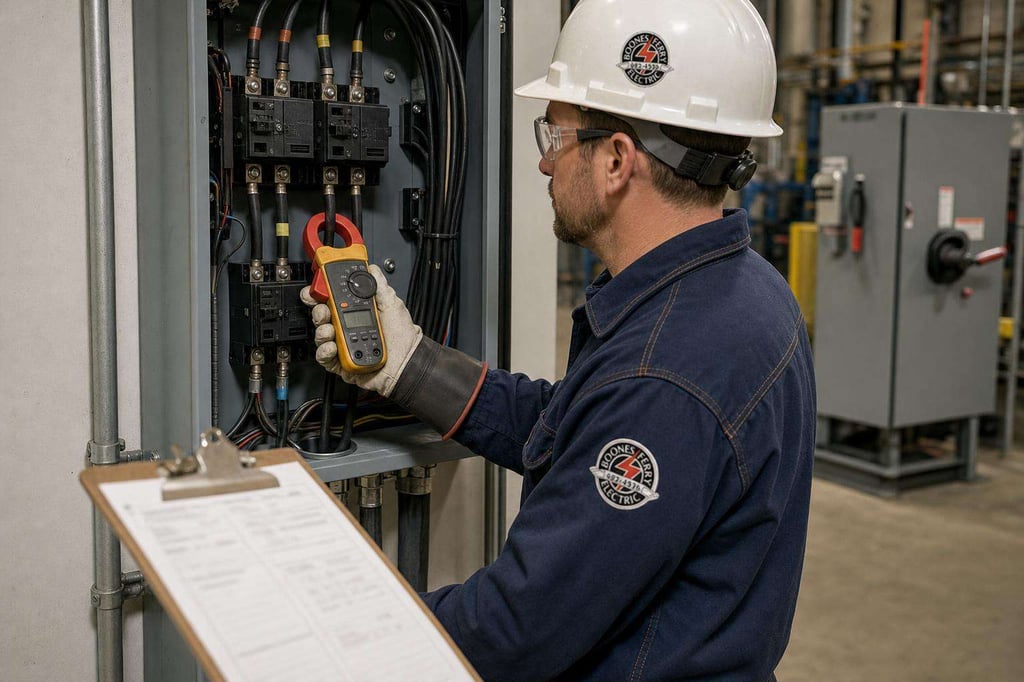
Plan New Industrial Equipment Around Electrical Capacity
Adding industrial equipment can improve production, efficiency, and capability—but only if the existing electrical system can support the added load. Motors, compressors, process equipment, HVAC units, pumps, welders, and specialty machinery can place significant demand on panels, feeders, transformers, and branch circuits.
For facilities in Wilsonville, Tualatin, Lake Oswego, Oregon City, and the Portland Metro area, working with a licensed electrician before equipment installation helps reduce the risk of nuisance tripping, overheating, downtime, and unsafe operating conditions. Boones Ferry Electric provides industrial electrical services designed to help businesses add equipment with careful planning and code-conscious execution.
Why Equipment Additions Can Overload a System
An electrical system is designed around expected demand. When new industrial equipment is added without evaluating capacity, the system may be asked to carry more current than it was built to handle.
Common causes of overload risk
- Insufficient panel capacity: The existing panel may not have enough available load capacity or breaker space.
- Undersized feeders or conductors: Wiring that was adequate for previous operations may not be suitable for new machinery.
- High motor starting current: Some equipment draws a larger amount of current at startup than during normal operation.
- Shared circuits: Adding equipment to circuits already serving other loads can create reliability and safety issues.
- Aging electrical infrastructure: Older panels, disconnects, and wiring may need repair or replacement before expansion.
- Power quality concerns: Sensitive equipment may require evaluation for voltage drop, grounding, or harmonic impacts.
Start With a Professional Load Evaluation
Before purchasing or installing new equipment, schedule a professional load evaluation. A qualified Portland Metro electrician or Wilsonville electrician can review existing electrical service, panel schedules, equipment nameplates, operating requirements, and facility usage patterns.
What an evaluation may include
- Reviewing service size, panels, feeders, and available capacity
- Checking breaker space and circuit layout
- Identifying dedicated circuit requirements
- Reviewing equipment voltage, phase, amperage, and startup demand
- Inspecting existing disconnects, grounding, bonding, and wiring conditions
- Evaluating whether electrical upgrades are needed before installation
This step is especially important for industrial electrical services because equipment loads can be more complex than standard residential or light commercial electrical installation projects.
Consider Dedicated Circuits and Proper Disconnects
Industrial equipment often requires dedicated circuits so the machinery is not competing with lighting, receptacles, HVAC, or other equipment loads. Dedicated circuits also help with maintenance, troubleshooting, and safer isolation when service is required.
Key installation considerations
- Dedicated branch circuits sized for the specific equipment
- Local disconnects where required for safe servicing
- Correct breaker and conductor sizing based on applicable code and manufacturer requirements
- Appropriate conduit and wiring methods for the facility environment
- Clear labeling for panels, disconnects, and equipment circuits
A licensed electrician can coordinate these details so the electrical installation supports safe and dependable operation.
Know When Electrical Upgrades Are Needed
Sometimes new equipment can be added to an existing system with limited modifications. In other cases, electrical upgrades are necessary before installation can move forward. The right answer depends on the facility’s current infrastructure and the equipment being added.
Possible upgrades may include
- Panel upgrades or new subpanels
- Feeder upgrades
- New dedicated circuits
- Service capacity upgrades
- Transformer or distribution improvements
- Improved grounding and bonding
- Replacement of worn or outdated electrical components
For businesses seeking commercial electrical services or industrial electrical services, planning upgrades early can help reduce delays and avoid repeated shutdowns.
Account for Future Expansion
When adding one piece of equipment, it is worth considering what may come next. If your business expects to add more machinery, production lines, charging equipment, or process systems later, your electrical plan should account for future growth where practical.
Boones Ferry Electric can help facility owners and managers evaluate whether it makes sense to build in additional capacity, add a properly sized subpanel, or design a layout that supports future equipment installations more efficiently.
Coordinate Electrical Work With Equipment Requirements
Industrial equipment often comes with specific electrical requirements from the manufacturer. These may include voltage, phase, full-load current, overcurrent protection, disconnect requirements, grounding instructions, or environmental considerations.
Before installation, share the equipment specifications with your electrician. This helps ensure the electrical work is planned around actual manufacturer requirements rather than assumptions.
Information to gather before scheduling service
- Equipment make and model
- Nameplate electrical data
- Installation manual or electrical specifications
- Preferred equipment location
- Operating schedule or expected usage
- Any future expansion plans
Do Not Ignore Warning Signs After Equipment Is Added
If new equipment has already been installed and the electrical system is showing signs of stress, schedule an evaluation promptly. Electrical work should always be evaluated and completed by a licensed professional.
Warning signs to watch for
- Breakers tripping repeatedly
- Lights dimming when equipment starts
- Warm panels, breakers, outlets, or disconnects
- Burning smells or visible discoloration
- Equipment running inconsistently
- Unexpected shutdowns or production interruptions
These issues should not be ignored. A licensed electrician can identify whether the concern is related to load capacity, wiring, equipment condition, or another electrical issue.
Boones Ferry Electric Supports Industrial Equipment Additions
Boones Ferry Electric provides dependable electrical services in Wilsonville and throughout the Portland Metro area, including Tualatin, Lake Oswego, and Oregon City. Our team helps businesses plan electrical upgrades, electrical installation work, commercial electrical services, and industrial electrical services with safety, reliability, and long-term performance in mind.
Whether you are adding new production equipment, expanding a workspace, or upgrading an aging electrical system, a professional evaluation is the best place to start.
Request Service
Need help adding industrial equipment without overloading your existing electrical system? Contact Boones Ferry Electric to schedule an evaluation and discuss the right next step for your facility. For practical next steps, Request service and talk with the team about timing, scope, and the right path for your situation.
Frequently Asked Questions
The best way to know is to have a licensed electrician perform a load evaluation. They can review your service capacity, panels, feeders, circuits, equipment specifications, and existing electrical condition to determine whether upgrades are needed before installation.
Provide the equipment make and model, nameplate data, voltage, phase, amperage, installation manual, preferred location, and expected operating schedule. This helps your electrician design the correct circuit, disconnect, and installation approach.
Sometimes, but many industrial machines require dedicated circuits. Adding equipment to an existing circuit without evaluating load can create overload risks, breaker trips, voltage issues, or unsafe operating conditions. A licensed electrician should confirm what is appropriate.
Warning signs can include repeated breaker trips, lights dimming when equipment starts, warm electrical components, burning smells, inconsistent equipment performance, or unexpected shutdowns. If any of these occur, schedule a professional electrical evaluation promptly.
Yes. Boones Ferry Electric provides industrial electrical services, commercial electrical services, electrical upgrades, and electrical installation support in Wilsonville and surrounding Portland Metro communities, including Tualatin, Lake Oswego, and Oregon City.