

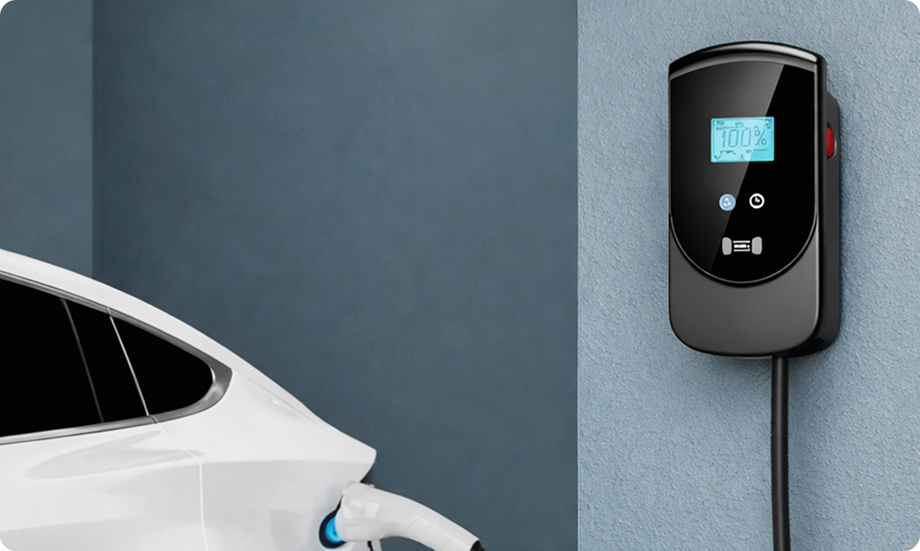
Bringing home an electric vehicle is an exciting step, but many homeowners quickly realize that everyday charging with a standard outlet may not keep pace with their driving needs. Before moving forward with a dedicated EV charger installation, it’s important to understand the practical steps involved in preparing your home for reliable charging. This guide walks through the key considerations—location, electrical capacity, charging expectations, and property readiness—that help homeowners in the Wilsonville area make informed decisions about home charging upgrades.
Understanding Your Charging Needs
Every homeowner’s charging routine is shaped by driving habits, vehicle range, and daily schedules. Consider how often you drive, how far you travel, and how quickly you need your vehicle to recharge. Level 1 charging, which uses a standard 120V outlet, often provides only a few miles of range per hour and may not be practical for regular use. For most EV owners, a Level 2 charger—offering faster, more consistent charging—becomes a necessity. Thinking through your routine helps clarify whether your current setup is sufficient or if an upgrade is needed.
Evaluating Your Current Electrical Setup
Before installing a dedicated EV charger, it’s important to assess your home’s existing electrical system. Many older homes in the Wilsonville area were not designed with high-capacity charging in mind. Start by checking your main electrical panel’s available capacity and the condition of wiring in the area where you plan to charge. If your panel is already near its limit or shows signs of wear, it may not safely support a new circuit for EV charging. In these cases, a panel upgrade or dedicated circuit installation is often required for safe, reliable operation.
Why a Standard Outlet Often Falls Short
A standard household outlet can technically charge most electric vehicles, but the process is slow and may not fit the needs of daily drivers. Level 1 charging can take more than 24 hours to fully recharge some EVs, making it impractical for families or commuters. Additionally, frequent use of an older outlet for high-demand charging can reveal underlying electrical issues or even create safety risks. When charging needs outpace what a basic outlet can deliver, it’s time to consider a dedicated Level 2 charger. Learn more about our EV Charger Installation services and how we help homeowners transition to faster, safer charging.
Choosing the Right Location for Your Charger
Selecting the best spot for your EV charger involves more than convenience. The location should be close to where you park, but also allow for safe, code-compliant installation. Garages are common choices, but outdoor installations are possible with weather-rated equipment. Consider the distance from your electrical panel, as longer wiring runs can affect installation complexity and cost. Accessibility, protection from the elements, and future vehicle needs should all factor into your decision.
Assessing Property Readiness for Installation
Once you’ve identified your charging needs and chosen a location, it’s time to evaluate whether your property is ready for a dedicated charger. This includes confirming that your electrical panel can support the additional load and that wiring routes are accessible. In some cases, upgrades such as a new subpanel, additional circuits, or even service capacity increases may be necessary. Working with a licensed electrician ensures that all work meets local codes and safety standards. For more details on upgrading your system, see our Panel & Service Upgrades page.
Timing Your Installation: When to Act
Ideally, homeowners should begin planning for charging upgrades as soon as they purchase or order an electric vehicle. Lead times for electrical work can vary, and addressing any panel or wiring issues early helps avoid delays once your EV arrives. If you already own an EV and are struggling with slow charging, scheduling an assessment is the best way to identify solutions and move forward with installation. Proactive planning ensures your charging setup is ready when you need it.
Working with a Local Electrical Contractor
Choosing a contractor with experience in residential EV charger installations is key to a smooth process. Local electricians are familiar with Wilsonville’s permitting requirements and can recommend solutions that fit your home’s unique needs. Look for a provider who is licensed, bonded, and insured, and who can walk you through the assessment, permitting, and installation steps. A professional approach reduces uncertainty and ensures your charging system is safe and reliable.
Planning for Future Needs
As electric vehicles become more common, planning for future charging needs is a smart move. If you anticipate adding another EV or upgrading to a vehicle with a larger battery, discuss these possibilities during your initial assessment. Some homeowners choose to install higher-capacity wiring or additional circuits to support future expansion. Taking a long-term view can help you avoid repeat upgrades and keep your home ready for changing technology.
Preparing for a home EV charger installation involves more than just choosing equipment—it’s about understanding your charging habits, evaluating your property’s electrical system, and making informed decisions about upgrades. By working with a qualified local electrician and planning ahead, homeowners in Wilsonville and nearby communities can enjoy dependable, efficient charging at home. If you’re ready to take the next step, request a service assessment to find out what’s needed for your property.